
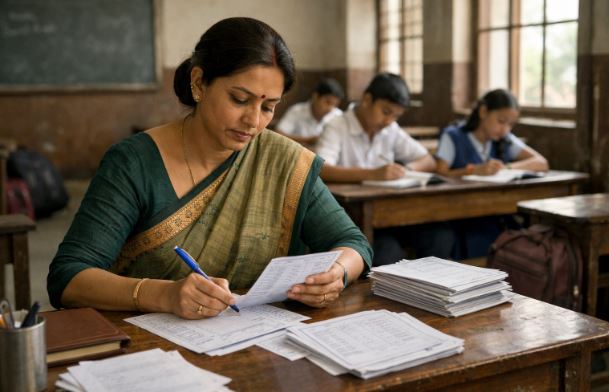
Report cards play an important role in communicating a student’s academic progress and overall development. In Indian schools, one word remarks are widely used to provide quick, clear feedback for students and parents.
These short remarks may appear simple, but they carry strong meaning. When chosen carefully, they help motivate students, highlight progress, and guide improvement.
This blog explains how teachers can thoughtfully select one word remarks for students report cards while maintaining fairness, clarity, and educational value.
Why Are One Word Remarks Important in a Student’s Report Card?

One word remarks offer clarity and consistency in student evaluation. They allow teachers to summarise performance without lengthy explanations and help parents quickly understand their child’s standing. In large classrooms, these remarks support uniform assessment practices.
For students, a single word can strongly influence confidence and motivation. Positive words reinforce strengths, while improvement focused words encourage effort without discouragement.
Educational experts recommend using remarks that reflect observed behaviour and academic outcomes rather than assumptions. When used responsibly, one word remarks strengthen communication between teachers, students, and parents.
How to Choose One Word Remarks for Students Report Card?
Selecting the right one word remark requires intentional thinking and professional judgement. Teachers must first review academic records, classroom participation, assignments, and behavioural patterns before finalising any remark. The goal is to reflect reality in a fair and respectful way.
The most effective approach is alignment. The remark should match the student’s actual performance level and learning attitude.
For example, a student showing steady progress but not high achievement may benefit from a word indicating growth rather than excellence. Consistency across subjects is also essential so that remarks do not appear contradictory.
Important factors teachers should consider include:
- Academic achievement across the term
- Behaviour and discipline records
- Effort and learning attitude
- Improvement compared to previous assessments
Avoid using words that are vague or emotionally loaded. Educational guidance from teacher development platforms highlights that clarity, neutrality, and encouragement are key principles when choosing report card remarks. A thoughtful selection strengthens trust between teachers, students, and parents.
What Types of Student Performance Should One Word Remarks Reflect?
One word remarks should reflect overall student performance rather than marks alone. Modern assessment approaches focus on holistic development, including academics, behaviour, and participation.
Performance areas commonly reflected include subject understanding, classroom conduct, learning effort, and improvement. Teachers should select remarks that represent the most relevant aspect of a student’s performance. Education experts advise against repeating the same remark for multiple students, as individual observation adds value and authenticity.
How Can Teachers Align One Word Remarks with Academic and Behavioural Assessment?

Alignment between assessment results and remarks is essential for clarity and trust. Parents often compare grades with remarks, so consistency is important. Teachers should base remarks on test scores, assignments, and classroom behaviour records.
Effective alignment ensures that remarks support grading patterns and accurately reflect student performance. Educational guidance highlights that a student showing effort and improvement may receive a motivating word even if scores are average. This balanced approach promotes transparency and understanding.
Which One Word Remarks Are Suitable for Different Grade Levels in India?
One word remarks should match the student’s age and learning stage. Younger students benefit from words that focus on participation and behaviour, while older students require remarks related to understanding and responsibility.
Primary level remarks often highlight engagement and effort. Middle school remarks reflect consistency and learning habits. Secondary level remarks focus on academic performance and readiness. Adapting remarks to grade levels ensures relevance and avoids unrealistic expectations.
How Do Positive and Improvement Focused Remarks Influence Student Growth?
Positive remarks help students recognise their strengths and maintain confidence. Improvement focused remarks guide students towards better performance when framed constructively.
Educational studies show that students respond better to encouraging language than negative labels. A balanced remark approach supports emotional wellbeing and promotes a growth mindset. Teachers play a crucial role in choosing words that inspire progress rather than fear of failure.
What Common Mistakes Should Teachers Avoid While Choosing One Word Remarks?

Despite good intentions, teachers may unintentionally make errors while selecting remarks. One common mistake is overusing generic words that offer little insight. Another is selecting remarks without sufficient evidence, which can reduce trust.
Negative or harsh words should be avoided, especially when addressing young learners. Remarks should never label a student permanently or reflect personal bias. Consistency across subjects and terms is also essential.
Mistakes to avoid include:
- Using the same remark for many students
- Ignoring improvement or effort
- Selecting words that sound judgmental
Teacher guidance resources emphasise reflection and review before finalising remarks. A thoughtful process ensures fairness and enhances the credibility of the report card system.
Conclusion
One word remarks may be brief, but their impact on students is significant. When chosen thoughtfully, they communicate progress clearly, motivate learners, and support holistic development.
By aligning remarks with academic records, behaviour, and grade level expectations, teachers can make report cards more meaningful.
Careful selection of words strengthens communication between schools, students, and parents while encouraging continuous improvement.
FAQs
Can one word remarks clearly explain a student’s performance?
Yes, when combined with grades and assessments they provide clear and focused feedback.
Are one word remarks commonly used in Indian schools?
Yes, many Indian schools include them as part of standard report card formats.
Should behaviour be considered while choosing remarks?
Yes, behaviour and learning attitude are important aspects of student evaluation.
How often should teachers change report card remarks?
Remarks should be reviewed and updated each academic term based on progress.
Do one word remarks affect student confidence?
Yes, positive and constructive words can significantly influence motivation and self-belief.