
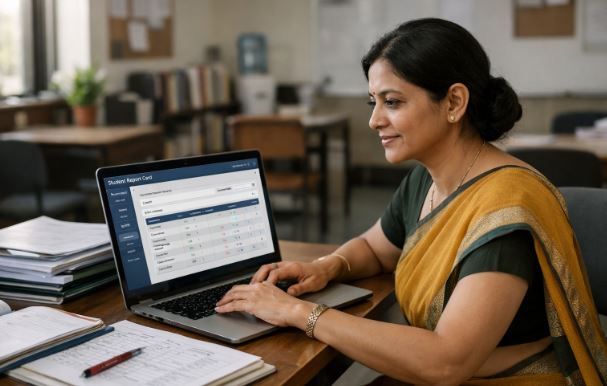
In Indian schools, teachers manage lesson planning, classroom activities, assessments, and parent communication, all while meeting strict academic deadlines. One task that consistently demands extra time is writing report card feedback.
Many teachers struggle to balance personalised student evaluation with limited time, especially during term endings. This is where 50 quick report card comments become extremely valuable.
According to widely used teacher platforms and early education resources, structured and ready to use report card comments help educators maintain clarity, fairness, and consistency.
These comments allow teachers to focus on meaningful feedback without rewriting similar observations for every student. This blog explains how teachers can create, use, and benefit from quick report card comments while maintaining academic quality and professional standards.
Why Do Teachers Need 50 Quick Report Card Comments to Save Time?

Teachers often repeat similar observations across multiple report cards, especially when assessing academic performance, behaviour, and participation. Quick report card comments help reduce repetition while maintaining individual relevance.
Indian schools follow structured assessment formats that require clear and concise feedback, making pre drafted comments highly effective.
Using ready-made report card comments helps teachers meet deadlines without compromising accuracy. These comments also reduce stress during peak academic periods. Instead of writing feedback from scratch, teachers can adapt suitable remarks based on each student’s progress.
Time Management in Modern Classrooms
Educational platforms highlight that teachers spend several hours drafting reports. With a prepared comment bank, this time is significantly reduced. Teachers can redirect saved time towards lesson improvement and student support.
Maintaining Consistency in Student Evaluation
Consistency is essential for fairness. When teachers use structured comments, they ensure similar performance levels receive similar feedback, which is especially important in large classrooms.
How Does Student Performance Influence Report Card Comments?
Student performance plays a central role in shaping report card comments. Teachers assess academic understanding, classroom behaviour, communication skills, and overall development. Effective report card comments reflect both strengths and areas for improvement.
Quick report card comments are designed to align with different performance levels. High performing students receive appreciation and encouragement for continued excellence, while average or struggling students receive constructive guidance.
Academic and Behavioural Balance
Top educational resources emphasise that feedback should address both academics and behaviour. Balanced comments provide parents with a clear understanding of a child’s learning journey.
Encouraging Growth Through Feedback
Comments that focus on effort and improvement motivate students. This approach supports long term learning rather than short term grades.
How to Make 50 Quick Report Card Comments?
Creating 50 quick report card comments starts with identifying common classroom observations. Teachers usually assess similar skills across students, making it easier to categorise remarks into academic performance, behaviour, participation, and attitude.
Each comment should be short, clear, and adaptable. Teachers can modify names or specific details while keeping the core message intact.
Structuring Comment Categories
Important categories include:
- Academic understanding
- Classroom participation
- Behaviour and discipline
- Communication skills
This structure ensures that comments remain relevant across different students and grades.
Language Simplicity and Professional Tone
Educational experts recommend simple language that parents can easily understand. Informational and respectful wording builds trust between teachers and parents.
What Types of Quick Report Card Comments Do Teachers Commonly Use?

Teachers commonly use a mix of positive, constructive, and developmental comments. Preschool and kindergarten educators focus more on behaviour and participation, while primary school teachers balance academics and skills.
Quick report card comments are often grouped based on learning outcomes. This method helps teachers quickly select suitable remarks.
Early Education Comments
Comments for younger students often focus on social skills, classroom adaptation, and basic learning habits.
Primary Level Feedback
At primary levels, comments reflect subject understanding, homework completion, and classroom engagement.
How Can Teachers Write Short Yet Meaningful Report Card Comments?
Short comments are effective when they are precise and purposeful. Teachers should avoid vague statements and instead focus on observable outcomes. For example, commenting on improved reading skills or active participation provides clarity.
Avoiding Repetition
Using a comment bank helps teachers avoid repeating the same sentence across report cards. Slight variations make feedback feel personalised.
Maintaining Clarity
Clarity ensures parents understand exactly how their child is performing. Simple sentence structures improve readability.
How Do Ready-Made Report Card Comments Help in Classroom Assessment?
Ready-made comments support efficient classroom assessment by aligning feedback with evaluation criteria. They help teachers stay organised and systematic.
Educational resources highlight that structured feedback improves documentation accuracy and reduces reporting errors.
Supporting Teacher Productivity
When teachers spend less time writing reports, they can focus more on teaching strategies and student engagement.
Enhancing Parent Communication
Clear and consistent comments help parents understand student progress without confusion.
How Can Schools Standardise Report Card Comments for Better Feedback?

Standardisation ensures fairness across classes and sections. Schools often develop approved comment banks aligned with curriculum goals.
Uniform Evaluation Practices
Standardised comments help maintain equal assessment standards across the school.
Flexibility Within Structure
While comments are standardised, teachers can still personalise feedback to reflect individual student needs.
Conclusion
At VAPS Tech, the focus is on helping educators work smarter while maintaining high academic standards. Using 50 quick report card comments supports teachers in Indian schools by reducing report writing time, ensuring consistent evaluation, and strengthening communication with parents.
Structured and adaptable feedback allows teachers to concentrate more on student development rather than on administrative pressure.
As education continues to advance in 2026, efficient and technology-driven reporting practices promoted by VAPS Tech play a key role in building productive classrooms and meaningful student assessments.
FAQs
What qualities make report card comments helpful for parents?
Helpful comments are clear, specific, and focused on both strengths and improvement areas, allowing parents to understand their child’s progress easily.
Are quick report card comments suitable for preschool students?
Yes, they are especially useful for preschool and kindergarten teachers as they focus on behaviour, participation, and early learning habits.
How often should teachers revise their report card comment bank?
Teachers should review and update comments annually to align with curriculum changes and evolving teaching practices.
Can standardised comments still feel personalised?
Yes, teachers can personalise standard comments by adding specific observations related to each student’s performance.
Do report card comments influence student motivation?
Positive and constructive comments encourage students to improve and take responsibility for their learning progress.