
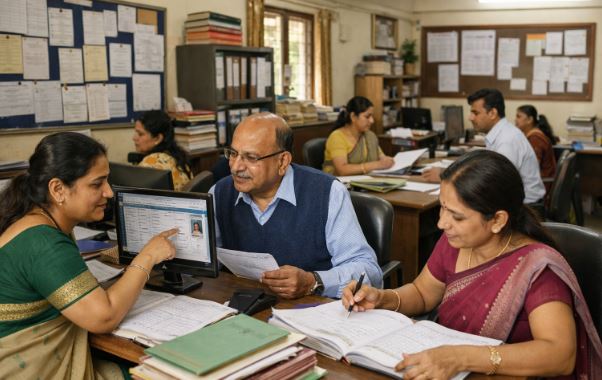
Enterprise Resource Planning software has become an essential digital foundation for modern institutions. In the education sector especially schools in India the need for organised data management transparent processes and efficient communication has grown rapidly.
Schools today manage admissions academics examinations, finance human resources transport and parent communication all at once. Handling these activities manually or through disconnected systems often leads to errors delays and lack of visibility.
An ERP software brings all these operations together into a single integrated system. It helps schools function smoothly by ensuring that information flows accurately between departments and stakeholders.
This blog explains what is an ERP software is how it works in schools and why it has become a necessity for educational institutions in 2026.
What Is an ERP Software?

ERP software stands for Enterprise Resource Planning software. It is a centralized digital system designed to manage and automate core processes of an organization using a single database.
Instead of maintaining separate tools for academics finance administration and communication an ERP system connects all these functions into one unified platform.
In a school environment ERP software helps administrators teachers students and parents access accurate information in real time. Every activity such as student admission attendance fee collection or exam results is recorded in one system. This eliminates data duplication and improves reliability.
An ERP system works on the principle of shared data. When information is updated in one module it automatically reflects across related modules. For example when a student pays fees the finance module updates instantly and the student record reflects the payment status.
Key aspects of ERP software include:
- Centralized data storage
- Process automation
- Role based access
- Real time reporting
For schools ERP software acts as a digital backbone that supports daily operations and long term planning.
How Does ERP Software Work in Schools?
ERP software in schools functions by integrating academic and administrative workflows into a single digital environment. Each department uses specific modules while sharing the same database. This ensures consistency and accuracy across the institution.
When a student is admitted their details are entered once and used throughout their academic journey. Attendance teachers timetable exams transport and fee records all rely on the same student profile. Teachers can update attendance and marks while administrators can monitor performance and compliance.
The system operates through dashboards and permissions. Each user sees only what is relevant to their role.
For example:
- Teachers manage attendance assignments and assessments
- Admin staff handle admissions payroll and reports
- Parents access student progress and notices
ERP software also enables automation. Routine tasks such as report card generation fee reminders and timetable scheduling are completed with minimal manual effort. This reduces workload and allows staff to focus on education quality.
Why Do Schools Need ERP Software Today?
Schools in India face increasing operational complexity due to growing student numbers regulatory requirements and parental expectations. Managing these challenges without digital support often leads to inefficiencies.
ERP software addresses these challenges by providing structure and transparency. Schools can monitor attendance fee collection staff performance and academic outcomes from one system. This improves decision making and accountability.
Reasons schools need ERP software include:
- Reduction in paperwork and manual errors
- Faster access to student and staff data
- Improved coordination between departments
- Better communication with parents
In 2026 schools are also expected to maintain digital records for audits compliance and reporting. ERP systems help institutions meet these expectations while improving overall governance.
What Are the Core ERP Modules Used in School Management?
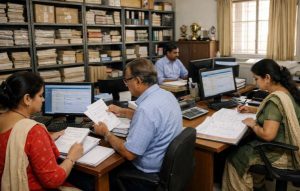
School ERP software is built using multiple modules that support specific functions. Each module works independently while sharing data with others.
Common ERP modules for schools include:
- Student information management for profiles attendance and academic history
- Fee and finance management for billing payments and accounting
- Human resource management for staff records payroll and leave
- Examination and assessment management
- Inventory and asset tracking
These modules ensure that every operational area is covered without data silos. Schools can choose modules based on their size and requirements making ERP systems flexible and scalable.
What Are the Key Features of ERP Software for Schools?
ERP software for schools includes features designed to improve efficiency security and usability. These features support both daily tasks and strategic planning.
Important ERP features include:
- Cloud based access for anytime availability
- Role based dashboards for different users
- Automated workflows for repetitive tasks
- Data security and backup mechanisms
ERP platforms also support analytics and reporting. School leaders can generate reports on attendance academic performance and financial health. This helps identify trends and areas for improvement.
Modern ERP systems also support mobile access which allows teachers and parents to stay connected through smartphones.
What Are the Benefits of ERP Software for Indian Schools?
The adoption of ERP software delivers long term benefits for schools across India. It enhances operational efficiency and improves the overall educational experience.
Key benefits include:
- Streamlined administration and reduced manual work
- Accurate and real time data availability
- Improved parent engagement and transparency
- Cost optimization through automation
ERP software also supports scalability. As schools grow or open new branches the system can easily accommodate additional students and staff. This makes ERP a future ready investment for educational institutions.
What Types of ERP Software Are Available for Schools?

Schools can choose from different types of ERP software depending on their infrastructure and budget.
Common types include:
- Cloud based ERP software hosted online
- On premise ERP systems installed locally
- Custom ERP solutions designed for specific needs
Cloud ERP is widely preferred due to lower upfront costs easy updates and remote access. On premise systems are used where data control is a priority. Schools must evaluate their requirements before selecting the right model.
How Should Schools Choose the Right ERP Software?
Selecting the right ERP software is a strategic decision for schools. Institutions should assess their current challenges and future goals before implementation.
Important selection factors include:
- Functional coverage of academic and administrative needs
- Ease of use and training requirements
- Vendor support and implementation experience
- Data security and compliance standards
Schools should also consider scalability and integration capabilities to ensure the ERP system supports long-term growth.
Conclusion
ERP software has transformed how schools operate by bringing structure, efficiency and transparency into everyday processes. From admissions to academics, finance and communication ERP systems create a unified digital environment that supports quality education.
For Indian schools in 2026, ERP software is no longer optional. It is a critical tool that enables institutions to manage complexity, meet regulatory expectations, and deliver better experiences to students, parents and staff.
By choosing the Vaps ERP solution, schools can build a strong foundation for sustainable growth and academic excellence.
FAQs
Is ERP software suitable for small schools in India?
ERP software is suitable for small schools because it can be implemented in a modular and scalable manner allowing institutions to start with essential features and expand gradually.
How long does ERP implementation take for a school?
ERP implementation timelines vary based on school size and customization needs but most schools complete deployment and training within a few months.
Can ERP software integrate with online learning platforms?
Modern ERP systems can integrate with digital learning tools and platforms to support blended and online education models.
Is cloud ERP software safe for storing student data?
Cloud ERP systems follow advanced security standards including encryption backups and access control to protect sensitive student information.
What factors affect the cost of ERP software for schools?
The cost depends on the number of users selected modules deployment type customization level and ongoing support requirements.