
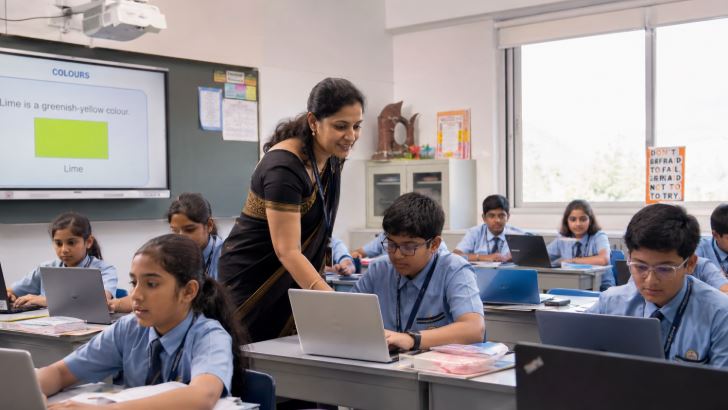
Technology is rapidly transforming the education sector, making learning more interactive, accessible, and efficient than ever before. ICT in education helps schools improve teaching methods through digital tools such as smart classrooms, online learning platforms, and educational software.
By integrating technology into daily learning, schools can increase student engagement, simplify communication, and prepare students with essential digital skills for the future. Modern educational institutions are now embracing ICT solutions to create smarter and more effective learning environments.
What Is ICT in Education?
Technology has become a major part of everyday life, and the education sector is no exception. Schools today are rapidly adopting digital tools to improve teaching methods, simplify administration, and create engaging learning environments. This shift has made ICT in education one of the most important developments in modern learning systems.
ICT, or Information and Communication Technology, refers to the use of digital technologies such as computers, smart boards, internet platforms, educational software, mobile applications, and cloud-based systems in teaching and learning. These technologies help schools deliver education more efficiently while improving communication between teachers, students, and parents.
The integration of ICT in schools is helping students develop digital literacy, critical thinking, creativity, and collaboration skills that are essential in today’s technology-driven world.
Why Is ICT Important in Modern Schools?
Modern schools are moving beyond traditional teaching methods to provide more interactive and flexible learning experiences. ICT plays a crucial role in this transformation by making education more accessible, engaging, and effective.
One of the biggest reasons ICT is important is that it allows students to learn beyond textbooks. Teachers can now use videos, animations, presentations, and virtual learning platforms to explain concepts more clearly. This helps students understand lessons faster and improves knowledge retention.
ICT also supports remote and online learning, allowing students to access educational resources from anywhere. This flexibility became especially important during global disruptions when schools had to continue education through virtual classrooms.
Additionally, schools use ICT to streamline administrative tasks such as attendance tracking, exam management, fee collection, timetable scheduling, and parent communication.
How Does ICT Improve Student Engagement?
Student engagement is one of the biggest challenges in traditional classrooms. ICT helps solve this problem by creating interactive and enjoyable learning experiences.
Digital learning tools make lessons more visually appealing and easier to understand. Instead of listening to long lectures, students can participate in quizzes, simulations, educational games, and group discussions.
Some ways ICT improves student engagement include:
- Interactive smart boards and presentations
- Gamified learning applications
- Online collaboration tools
- Multimedia-based lessons
- Real-time quizzes and assessments
- Virtual classrooms and discussion forums
These methods encourage active participation and help students remain focused throughout lessons.
What Are the Main Benefits of ICT in Education?
ICT offers numerous advantages for students, teachers, and educational institutions.
Improved Access to Information
Students can access online libraries, educational websites, video tutorials, and research materials instantly through the internet.
Better Communication
ICT improves communication between teachers, students, and parents through school management systems, emails, and mobile applications.
Personalised Learning
Technology allows teachers to customise learning experiences based on individual student needs and learning styles.
Enhanced Collaboration
Students can work together on projects using online collaboration tools and cloud-based platforms.
Efficient School Management
Schools can automate administrative operations such as attendance, fee management, admissions, and report generation.
Which ICT Tools Are Commonly Used in Schools?
Schools use various ICT tools to support teaching, learning, and administration.
| ICT Tool | Purpose |
| Smart Boards | Interactive classroom teaching |
| Learning Management Systems | Online assignments and learning |
| Educational Apps | Skill-based and interactive learning |
| Video Conferencing Tools | Virtual classes and meetings |
| Cloud Storage Platforms | File sharing and collaboration |
| School Management Software | Administrative automation |
| Online Assessment Tools | Exams and quizzes |
These tools help create a more efficient and engaging educational environment.
How Are Smart Classrooms Transforming Learning?
Smart classrooms combine technology with traditional teaching methods to create modern learning environments. Instead of relying solely on chalkboards and printed materials, teachers can use digital displays, videos, animations, and internet resources.
Smart classrooms provide several advantages:
- Improved visual learning
- Better student participation
- Faster access to educational content
- Interactive lesson delivery
- Real-time assessments and feedback
Students often find smart classrooms more engaging because lessons become dynamic and interactive rather than repetitive and text-heavy.
What Is the Difference Between Traditional and ICT-Based Education?
Traditional teaching methods mainly focus on teacher-centred learning, while ICT-based education encourages interactive and student-centred learning experiences.
| Feature | Traditional Education | ICT-Based Education |
| Teaching Method | Lecture-based | Interactive learning |
| Student Participation | Limited | High engagement |
| Learning Resources | Printed textbooks | Digital resources |
| Communication | Offline only | Online and instant |
| Accessibility | Classroom-dependent | Flexible and remote |
| Collaboration | Limited | Real-time collaboration |
ICT-based education helps students become more independent learners while improving communication and accessibility.
What Challenges Do Schools Face When Implementing ICT?
Although ICT offers many benefits, schools may face several challenges during implementation.
Infrastructure Limitations
Many schools lack reliable internet access, computer systems, and technical infrastructure.
Teacher Training Issues
Teachers need proper training to effectively use educational technologies in classrooms.
Cybersecurity Risks
Schools must protect sensitive student data from cyber threats and security breaches.
Financial Constraints
Technology integration requires investment in hardware, software, maintenance, and technical support.
Despite these challenges, many schools continue adopting ICT because of its long-term educational benefits.
How Can Schools Successfully Integrate ICT?
Successful ICT integration requires proper planning, training, and continuous improvement.
Provide Teacher Training
Teachers should receive regular training on using digital tools and educational software effectively.
Invest in Reliable Technology
Schools should choose user-friendly and scalable ICT solutions that align with educational goals.
Encourage Interactive Learning
Teachers should use multimedia content, collaborative activities, and digital assessments to increase engagement.
Monitor and Evaluate Progress
Schools should regularly evaluate how ICT tools are improving teaching, learning, and school management.
What Is the Future of ICT in Education?
The future of ICT in education looks highly innovative as schools continue adopting advanced technologies.
Artificial Intelligence (AI) is expected to personalise learning experiences by analysing student performance and providing customised recommendations.
Virtual Reality (VR) and Augmented Reality (AR) technologies will create immersive learning experiences that make education more interactive.
Cloud-based platforms and smart school ecosystems will further improve communication, administration, and student learning outcomes.
As technology continues evolving, ICT will remain a key driver of educational transformation worldwide.
Conclusion
ICT in education is transforming the way schools teach, manage operations, and engage students. From smart classrooms and online learning platforms to cloud-based school management systems, technology is making education more accessible, interactive, and efficient.
Schools that effectively integrate ICT tools can improve student engagement, simplify administration, and prepare learners for future career opportunities in a digital world. As educational technology continues advancing, ICT will play an even bigger role in shaping the future of learning.
FAQs
What is ICT in simple words?
ICT stands for Information and Communication Technology. It includes digital tools such as computers, software, internet platforms, and communication systems used for learning and information sharing.
How does ICT help teachers in schools?
ICT helps teachers create interactive lessons, manage student records, conduct online assessments, and communicate more efficiently with students and parents.
Why is ICT important for students?
ICT improves digital literacy, increases engagement, supports personalised learning, and provides access to global educational resources.
What are examples of ICT tools used in education?
Examples include smart boards, educational apps, learning management systems, online classrooms, and school management software.
Can ICT improve student performance?
Yes, ICT can improve learning outcomes by making lessons interactive, engaging, and accessible through multimedia and digital resources.
What are the disadvantages of ICT in education?
Some disadvantages include infrastructure costs, internet dependency, cybersecurity risks, and the need for teacher training.
What is the future of ICT in schools?
The future includes AI-powered learning, virtual reality classrooms, cloud-based systems, and fully connected smart school environments.